



8 Ways a Cardiology Clinic Helps Manage Heart Health
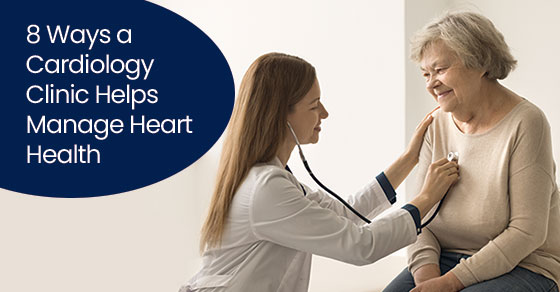
It is never too early to be concerned about your heart health. Our cardiology clinic offers services ranging from consultations to lifestyle modifications. We help patients take a proactive approach in their overall care, assist in early detection, and aid those with existing conditions.
What is involved in cardiac care?
Cardiac healthcare involves the diagnosis, prevention, and treatment of heart-related concerns for optimal health. It includes a variety of medical services like lifestyle modifications, routine check-ups, medications, and advanced procedures (such as bypass surgery, angioplasty, and implanting pacemakers).
Specifically, cardiac healthcare concentrates on managing risk factors like diabetes, high blood pressure, obesity, smoking, and high cholesterol, which can cause a heart attack, coronary artery disease, and heart failure. Cardiac healthcare plays a vital role in decreasing mortality and enhancing our patients’ quality of life.
What happens in a clinic?
Our cholesterol and blood pressure clinic prevents heart-related illness through diagnosis, treatment, and prevention. Patients may visit us for numerous reasons, like high blood pressure, chest pain, routine check-ups, or to address heart palpitations.
A cardiologist examines the patient’s medical history, discusses their symptoms, and makes recommendations (medication, lifestyle change, or additional procedures). For a serious condition like arrhythmia or heart disease, we may coordinate advanced procedures like surgery or catheterization.
Routine follow-ups ensure you remain healthy, allow heart health management, and can provide early detection for any issues.
What does a cardiac clinic do?
Cardiologists diagnose, assess, and manage heart disease symptoms and conditions such as:
- Heart failure.
- Pre-eclampsia (high blood pressure in pregnancy).
- Congenital heart defects.
- Pericardial effusion (excessive fluid building up in your pericardial sac) and pericarditis (inflammation of the sac surrounding your heart).
- Angina.
- High blood pressure.
- Heart rhythm disorder (arrhythmia).
- Coronary artery disease.
- Heart valve disease.
- Cardiomyopathy (a condition affecting the heart muscle).
- Complications associated with other conditions, like autoimmune disorders or diabetes.
We evaluate your current medical condition and provide ongoing care and personalized treatment plans.
How does a cardiology clinic manage heart health?
Our specialized clinics offer a range of services to help maintain optimal cardiac health. Whether you are faced with an unknown cardiovascular condition or are being proactive in your health, cardiology clinics provide essential medical assistance tailored to your individual needs.
The services we offer include the following:
1. Heart health assessments
Our expert cardiology consultants conduct complete heart health evaluations, including:
- Physical exams
- Review of medical history
- Cholesterol and blood pressure testing
- Risk evaluation (hypertension and coronary artery disease)
Consultations play an essential role in preventive medicine. It helps physicians to closely monitor a patient’s heart health, detect early signs of illness, and provide treatment.
Cardiovascular consultations involve setting up an appointment between a cardiologist and a patient. Your cardiologist will examine your heart health, review symptoms, lifestyle, and medical history. We may also perform necessary testing. The appointment is vital to the diagnosis, prevention, and treatment of heart disease.
The Importance of a Consultation
A consultation plays an essential role in your overall health. Heart disease is Canada’s second leading cause of death (it was responsible for 17.2% of deaths in 2022), and a leading cause the following year. Furthermore, the Heart and Stroke Foundation believes that 80% of premature cardiovascular disease is preventable by incorporating a healthy lifestyle and avoiding risk factors.
Consultations help to detect heart conditions at their earliest stages when treatment is highly effective. Physicians can closely monitor your heart and make lifestyle changes or treatments to prevent cardiovascular disease.
2. Prevention
Consultations prevent disease by allowing doctors to detect the early signs of conditions like high cholesterol, hypertension, or heart rhythm disorders before they escalate. They can provide treatments and lifestyle changes to halt its onset.
3. Diagnostic testing and imaging
We diagnose heart-related issues using advanced diagnostic testing like the following:
- Echocardiogram: An ultrasonography evaluates the function and structure of your heart.
- Electrocardiogram (EKG/ECG): Used to record the heart’s electrical activity to detect any irregularities.
- Holter monitoring: Tracks your heart activity for a specified duration. It is used to detect irregular heartbeats.
- Stress echocardiogram: An ultrasound is taken of our heart before and after exercise. It generates moving images that illustrate how well your heart works under stress.
- Stress test: Assesses how efficiently your heart works under physical exertion.
4. Heart condition treatment
At our heart specialist clinic, we provide treatment for conditions such as:
- Arrhythmias (irregular heartbeat): Options include pacemakers, medications, or ablation therapy.
- Hypertension (high blood pressure): Medication management and lifestyle modification.
- Heart failure management: Lifestyle adjustments, medications, and advanced therapy.
- Coronary artery disease: Medications, interventional procedures (angioplasty), and lifestyle counselling.
5. Interventional procedures
For those needing specialized treatment, we offer:
- Cardiac catheterization: A minimally invasive technique for diagnosing and treating cardiac disease.
- Angioplasty and stenting: Used to start blood flow again and clear clogged arteries.
- Defibrillator and pacemaker implantation: Prevents sudden cardiac arrest and manages arrhythmias.
6. Improve quality of life
Heart disease impacts your quality of life, causing symptoms like fatigue, shortness of breath, palpitations, and chest pain. Consultations enable physicians to offer solutions to relieve uncomfortable symptoms and improve your life.
By adopting healthy lifestyles and educating patients on heart health, we can improve their well-being.
7. Lifestyle counselling
Our primary concern centres around prevention. Therefore, we provide the following services:
- Exercise: We create effective and safe exercise guides.
- Dietary advice: Our experts generate a heart-healthy nutritional plan.
- Weight management: We help you maintain a healthy weight.
- Smoking cessation: We give support to patients to cease smoking to reduce cardiac risk.
8. Cardiac rehabilitation
Our cardiology clinic offers these services to those recuperating from a cardiac arrest or heart surgery.
- Education: Our team will educate you regarding maintaining good heart health and promoting good habits. We will teach you how your heart works, the risk factors for heart disease, and how to adopt a healthy lifestyle.
- Supervised exercise: We ensure that you are exercising correctly and safely.
- Psychological and emotional support: Experienced staff provide support for any issues you may face, depending on the situation.
Become Proactive About Your Cardiovascular Health
It is never too early to be proactive about your health. You don’t have to wait until symptoms appear to book a consultation with one of our cardiologists at Aspire Cardiology. Early detection can reverse some of the potential damage from heart disease and can spare your life. If you have already been diagnosed, we can improve your quality of life.
Book your consultation at our cardoiology clinic by contacting us at 647-503-3639, emailing us at admin@aspirecardiology.com, or filling out our online form.