



Cardiac Stress Testing: What to Expect and How It Assesses Heart Function
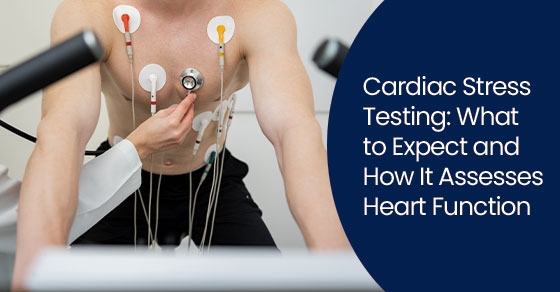
Are you uncertain about what to expect during a cardiac stress test? Stress tests are a simple diagnostic tool that can show how your heart functions, help you be proactive about your heart health, and detect any issues. Stress tests allow your physician to identify potential heart problems before they become serious or to guide treatment.
When does a physician recommend a stress test?
Several reasons may explain why a cardiac stress test may be recommended. Stress tests are often used to assess your risk for heart disease (coronary artery disease). It provides a valuable diagnostic for those who have a family history or risk of diabetes, high blood pressure, or high cholesterol.
By evaluating the heart’s response to increased physical demands, physicians gain valuable insight into the heart’s health. They can then recommend appropriate treatments or lifestyle changes to mitigate risks.
What can they detect?
Overall, cardiac stress tests can detect conditions like:
- Arrhythmias
- Coronary artery disease
- Ischemia
- Heart failure
- Peripheral artery disease
- Heart valve disease
For those with pre-existing conditions, stress tests monitor the effectiveness of treatment. It helps assess whether your treatment plan is working or if you need adjustments. They are also performed before surgery to ensure the patient’s heart is healthy enough to withstand the procedure.
Preparing for the Cardiac Stress Test
Our team will educate you on how to prepare in the days leading up to the stress test. They may request that you avoid:
- Nicotine
- Caffeine
- Alcohol
- Certain medications
We usually recommend patients refrain from eating three to four hours before the test. You should wear walking shoes and comfortable clothing during your test.
If you currently have an existing condition or are taking blood pressure, heart disease, or diabetes medication, we will let you know if adjustments are necessary before your test.
Types of Cardiac Stress Tests
Cardiac stress tests are diagnostic procedures that assess how well your heart functions during physical activity. Your doctor may suggest two types of heart stress tests: exercise and stress echocardiogram.
Exercise Stress Test
With this test, patients use a stationary bike or treadmill to monitor how their hearts function during exertion. Throughout the stress test, we adjust the bike’s tension or the treadmill’s speed to increase heart rate.
As the patient moves, our team measures heart rate, blood pressure, and oxygen levels. An electrocardiogram (EKG or ECG) assesses electrical activity in the heart. If you feel you are unable to exercise, we can use medications to make the heart pump faster.
As you move, your heart rate, blood pressure, and oxygen are measured. Electrocardiograms can be used to assess the heart’s electrical activity. If at any time you feel dizzy or sick during the test, we will stop the test and address your symptoms.
Stress Echocardiogram
A stress echocardiogram combines ultrasound imaging of the heart with medication (pharmacologic) stress tests. Ultrasound imaging produces before-and-after stress images to assess blood flow, heart function, and valve performance.
Stress echocardiograms attach electrodes with transducers to the chest to monitor electrical activity within the heart. Blood pressure is also monitored throughout the test. Experts capture images of the heart at rest (before exercise).
The rest of the procedure is similar to an exercise stress test. As your heart rate rises, additional heart images are captured. The objective of this test is to assess how the heart functions under increased workload. It helps experts to examine whether blockages or additional issues are present.
After the Stress Test
Exercise stress tests usually take 15 minutes to complete. Afterwards, we monitor your blood pressure and heart rate until it returns to normal. Recovery generally takes 15 minutes or longer before patients can return home, eat, and resume daily activities.
Results and Follow-up From a Cardiac Stress Test
Your test usually returns a normal or abnormal result.
- Normal: Good results mean your heart works well under stress. There are no indications of abnormal rhythms, restricted blood flow, or blood pressure concerns.
- Abnormal: If there are ECG changes, cardiac imaging abnormalities, blood pressure irregularities, or signs such as dizziness, shortness of breath, or chest pain, it may indicate an underlying heart condition or reduced blood flow to your heart.
Once your physician has your results, they may recommend the following:
- Lifestyle changes: For mild concerns, lifestyle changes may be recommended. Your physician may suggest eating a heart-healthy diet (vegetables, whole grains, healthy fats, and fruits). They may recommend avoiding added sugar and saturated fats.
- Medication: You may receive a prescription based on the findings. Your physician may prescribe medications or treatments to control cholesterol, blood pressure, and additional risk factors.
- Exercise: Additional recommendations may include increasing physical activity and achieving a healthy weight.
- Additional testing: You may need further testing, such as a nuclear stress test, cardiac MRI, or echocardiogram, to evaluate heart function and blood flow. Sometimes, coronary angiograms are recommended to evaluate arteries for blockages and to guide further treatment.
- Immediate treatment: If there are major abnormalities (heart disease, significant blockages, stent placement, heart catheterization, or another condition requiring surgery), immediate intervention may be necessary.
If your results indicate you are at risk for heart disease, you may need additional testing, surgery, or treatments. For normal results, you may not need further tests. Your doctor can provide resources (such as dietary changes or lifestyle modifications) to improve long-term heart health.
Regardless of your results, stress tests give professionals insights to make an informed decision about your heart. These results equip you with the education and tools to make changes to keep your heart healthy.
Aspire Cardiology: Empowering Cardiac Health
Cardiac stress tests provide a valuable resource in assessing how your heart functions and in identifying cardiovascular issues. The insights received from these results are vital in delivering proper treatment.
Are you concerned about your heart health, or do you need a stress test? Neglecting your heart health can have consequences. Therefore, being proactive about your health is essential.
Aspire Cardiology provides a range of services, including cardiac stress tests, all in a single clinic. To book an appointment, contact us at 647-503-3639 or email us at admin@aspirecardiology.com. You can also book a consultation online.